
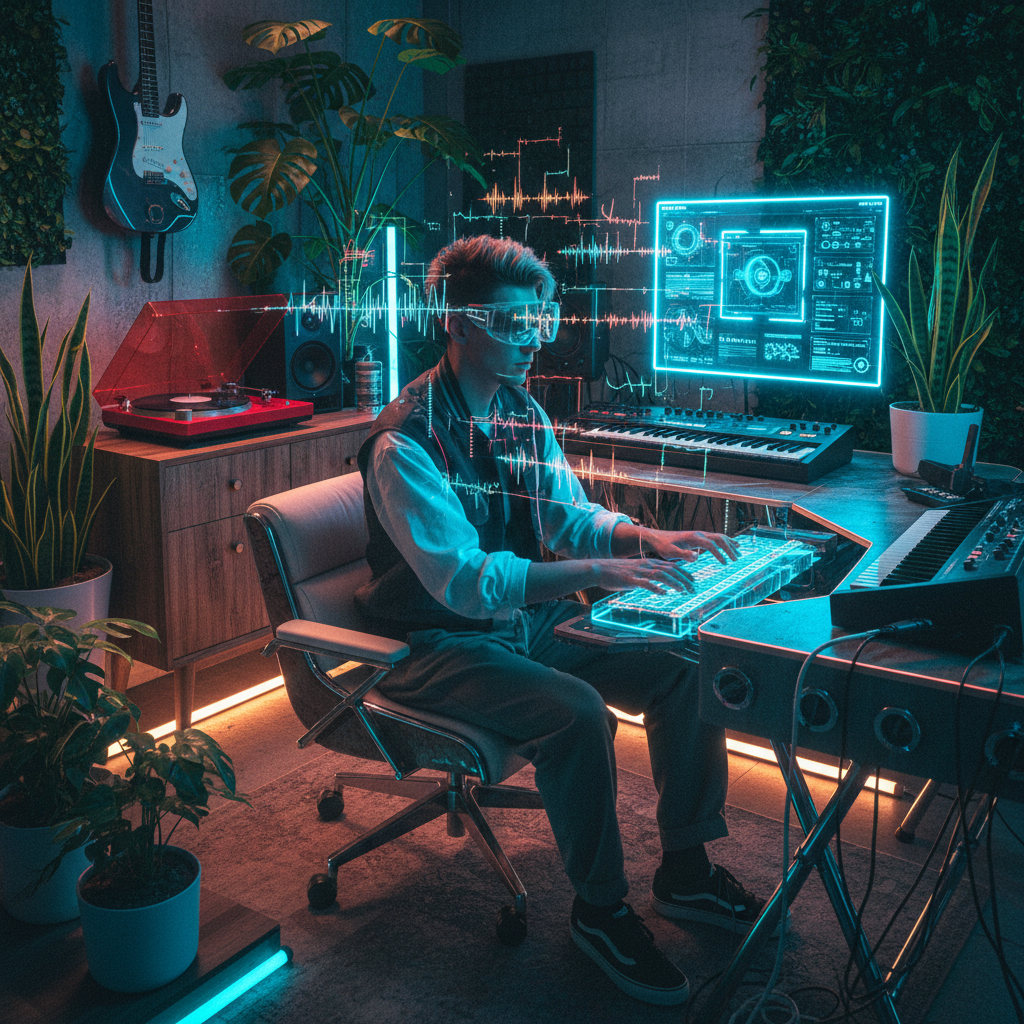
Beyond the Algorithm: Why 2026 Is the Year Music Became Biometric and Post-Genre
As 2026 unfolds, the music industry is experiencing a remarkable transformation, evolving from its traditional gatekeeper model into a decentralized ecosystem that prioritizes authenticity, creativity, and community engagement. The implications of this shift are profound, redefining how artists connect with fans and how music is consumed, discovered, and created.
A Shift to Context-First Discovery
One of the most significant trends emerging this year is Context-First Discovery. Tracks no longer go viral solely based on their catchy hooks or infectious melodies. Instead, songs like Justin Bieber’s Everything Hallelujah resonate with audiences primarily due to their emotional and narrative utility in point-of-view (POV) storytelling and gratitude-based content on platforms like Instagram and TikTok. This shift illustrates how music is now intertwined with personal storytelling and social currency, allowing listeners to curate their identities through the soundscapes they choose to share.
- Fans engage with music that amplifies their experiences.
- Viral trends are shaped by community narratives rather than choreographed dance challenges.
- Artist-fan interactions have become essential in the song’s journey to virality.
From Dance Challenges to Narrative Building
The previous formula of viral success, heavily reliant on simple dance challenges, has been replaced by Build in Public narratives and Fan-Stitched stories. In this new paradigm, transparency and collaboration between artists and their fandom are rewards in themselves. Artists are encouraged to share their creative processes, struggles, and successes, allowing fans to feel like integral parts of the journey rather than mere consumers. This evolution underscores a cultural shift towards inclusivity and connection.
AI as a Creative Co-Pilot
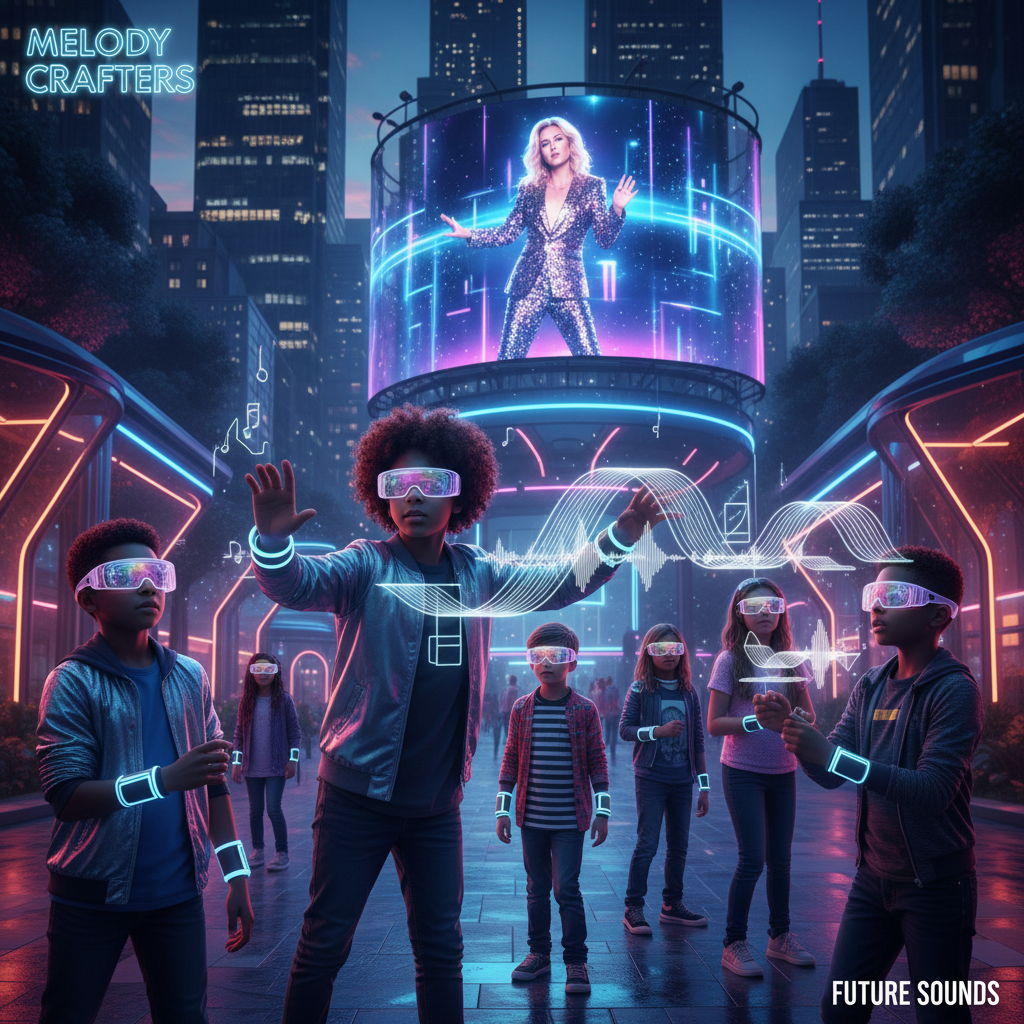
2026 has also marked a dramatic shift in technology's role within music creation. No longer just a controversial experiment, AI has emerged as a standard creative co-pilot for major artists. With the advent of digital twins—AI models that replicate an artist's vocal and aesthetic nuances—stars like Travis Scott and BLACKPINK maintain a continuous presence in global markets while mitigating the risk of artist burnout. The Synthetic Voice Act of 2025 has created a legal framework for these digital avatars, allowing for licensed collaborations that span genres and styles, effectively dominating the charts.
The Rise of Post-Genre Soundscapes
In 2026, we stand firmly in the Post-Genre era, where traditional musical genres have become almost obsolete. Mood-based listening experiences have taken the lead, with emerging styles like PluggnB and Glimmer-Folk capturing mainstream attention. This evolution in sound mirrored the changing preferences of listeners, who now seek music that resonates with their emotional states and experiences.
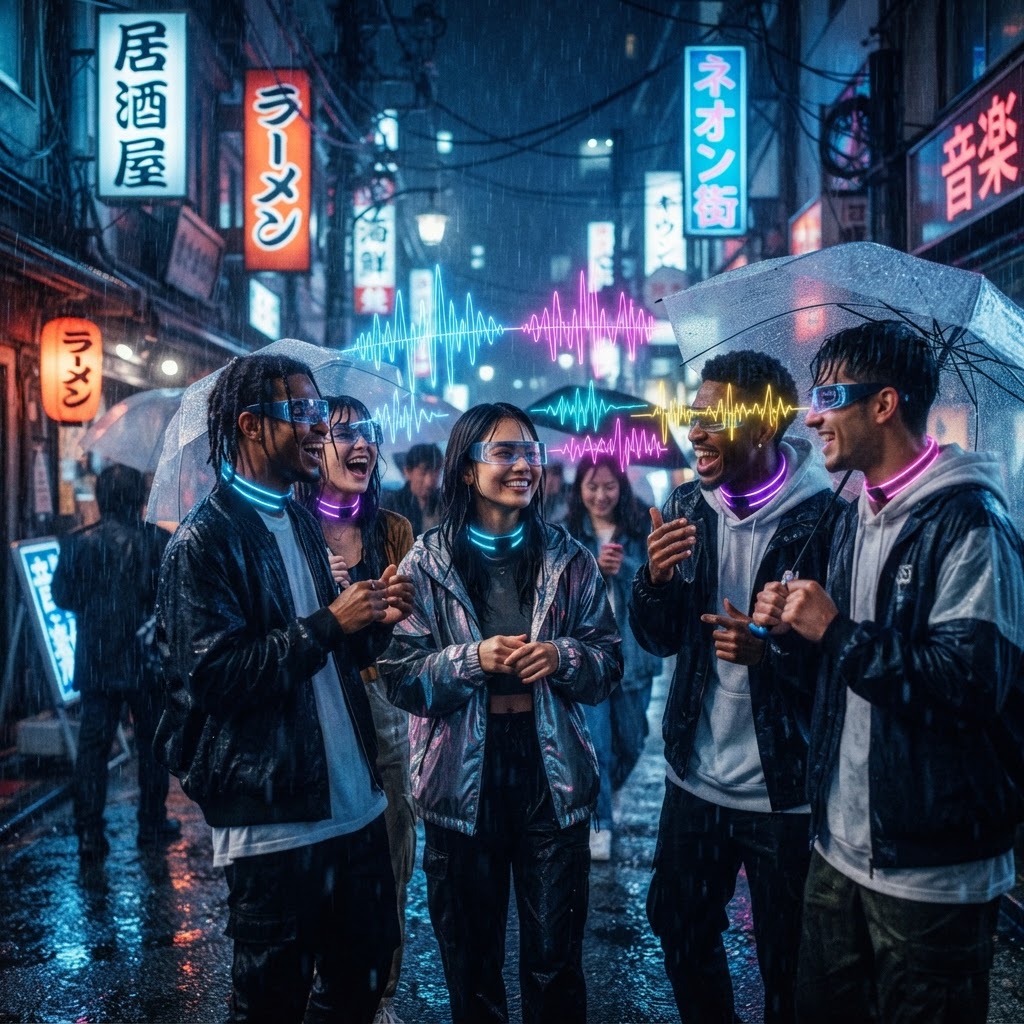
Additionally, the introduction of biometric audio integration on platforms such as VibeCheck is nothing short of revolutionary. Music can now adapt in real-time based on a listener's heart rate, creating a fully immersive experience that aligns with the physiological reactions of the audience.
Sustainability as a Competitive Differentiator
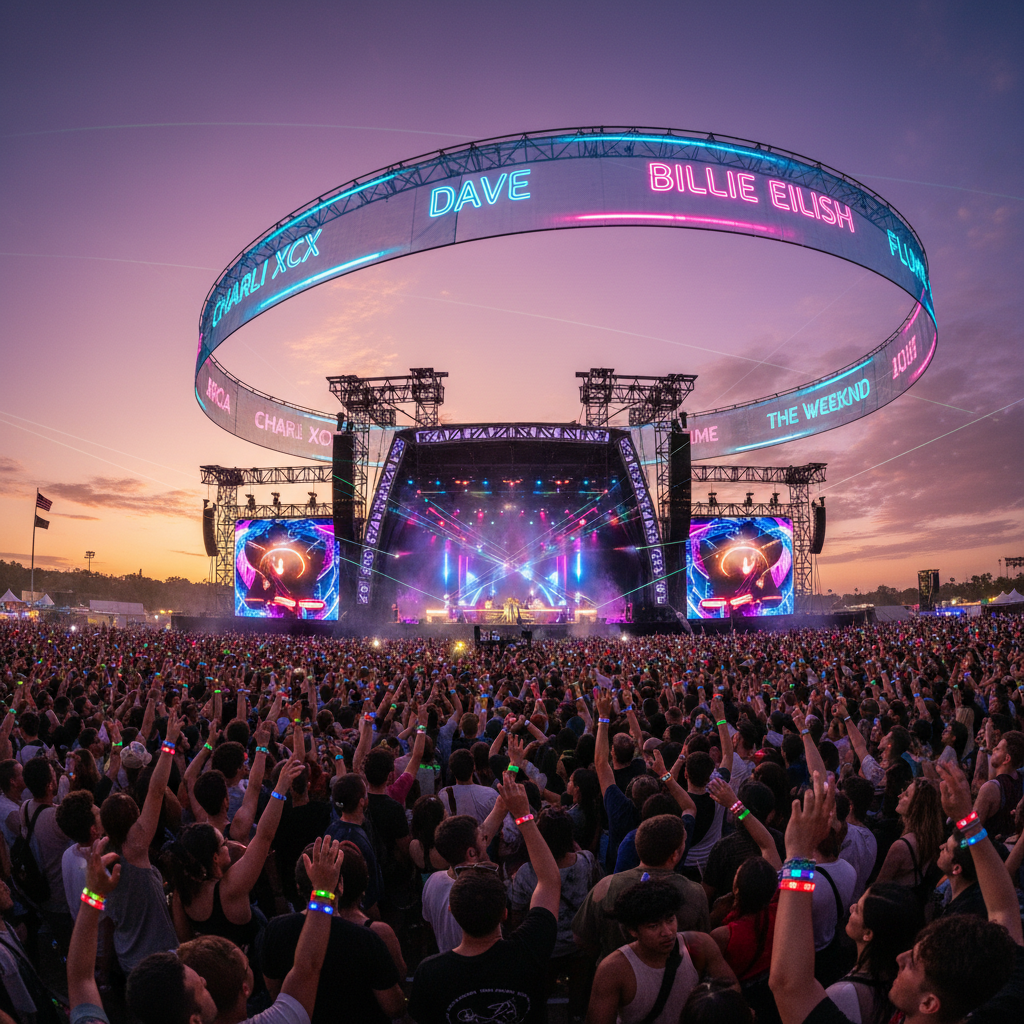
The growing influence of Gen-Alpha's ethical consumption habits has also led to sustainability becoming a key differentiator in the music industry. Tour operators are increasingly adopting carbon-offset tours and transitioning to solar-powered festivals, ensuring that the music experience is not just enjoyable but also environmentally conscious. This trend aligns with a broader societal movement towards sustainability, pushing artists and event organizers to adopt practices that resonate with the values of their audience.
Investing in Fandom
Another key development is the emergence of Prediction Markets, which allow fans to financially invest in an artist's cultural momentum. This innovative approach enables fans to transform their passion into equity-based advocacy, staking their financial support on artists’ success and fostering a deeper connection with the music they love. This model not only empowers fans but also reshapes the traditional artist-fan relationship.
Conclusion
As we delve deeper into 2026, the music culture is undoubtedly in a state of dynamic flux. With Context-First Discovery taking center stage, a move towards narrative-driven engagement, the integration of AI, the birth of the Post-Genre era, a commitment to sustainability, and the rise of new economic models for fandom, we are witnessing a revolution that is redefining what it means to be part of the music community. This is not just a new chapter for artists, but an entire volume, completely rewriting the rulebook on how music is created, shared, and celebrated.
```